Clean Energy Jobs Boom, but Skills Gap Threatens Progress (IEA)
The International Energy Agency (IEA) released its annual World Energy Employment report, highlighting a surge in clean energy jobs worldwide, driven by investments in solar, wind, and electric vehicles. This positive news is tempered by a growing concern: a lack of skilled workers to fill these new positions.
Clean Energy Leads the Way
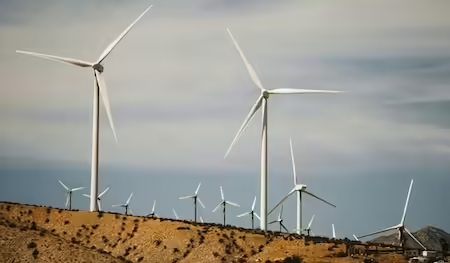
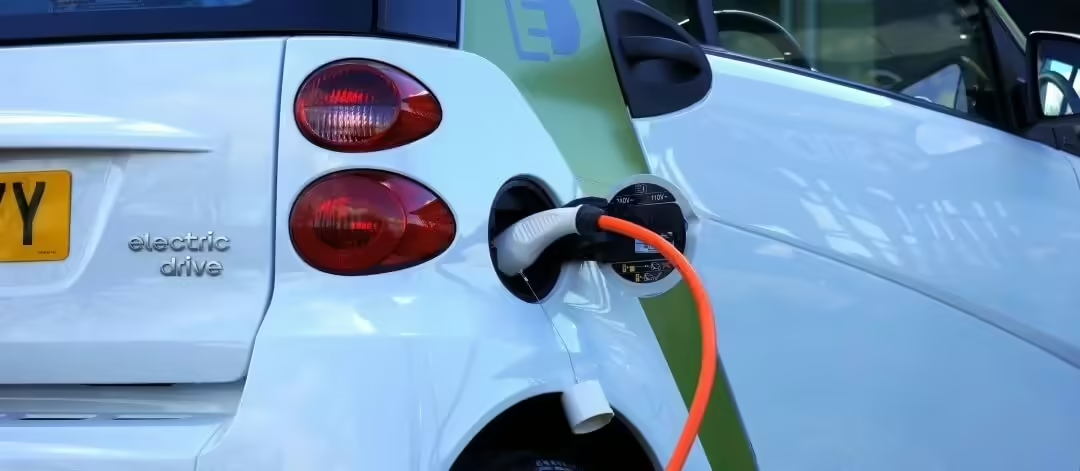
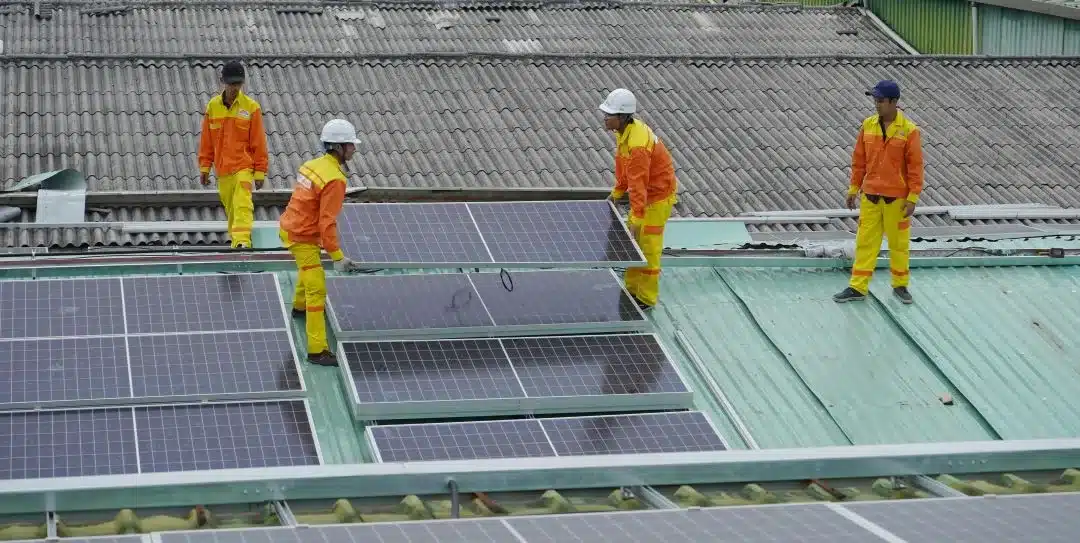
The report reveals that global energy employment reached 67 million in 2022, exceeding pre-pandemic levels by 3.5 million. Notably, clean energy sectors like solar PV, wind, electric vehicles, and heat pumps were responsible for over half of this job growth. These sectors are experiencing rapid expansion, with solar PV alone employing 4 million people, while electric vehicles and batteries added over 1 million jobs since 2019.
Fossil Fuels Lag Behind
While fossil fuel industries also saw job increases, their growth was comparatively modest, leaving them below pre-pandemic levels despite record revenues in 2022. This trend signifies a shift towards clean energy as the dominant force in the global energy sector.
The Skills Gap Challenge
Despite the positive job outlook, the report flags a looming challenge – a widening skills gap. The IEA’s survey of energy firms indicates a growing number are facing difficulties ramping up activity due to a shortage of qualified workers. This shortage is particularly acute in areas like specialized electricians and science, technology, and engineering professionals.
Call to Action
IEA Executive Director Fatih Birol emphasizes the urgency of addressing this skills gap. He urges governments, industry, and educational institutions to collaborate in developing programs that equip individuals with the necessary expertise for the clean energy sector. This is crucial to meet growing demand and achieve ambitious energy and climate goals.
The Future of Energy Jobs
The report predicts continued growth in clean energy jobs, with new roles outpacing the decline in fossil fuel-related positions across all IEA scenarios. Notably, the Net Zero Emissions by 2050 Scenario suggests the creation of 30 million clean energy jobs by 2030, while nearly 13 million fossil fuel jobs are at risk. This signifies a potential two-to-one job creation ratio in favor of clean energy.
Preparing for a Just Transition
The report acknowledges the challenges associated with geographic shifts and skillset changes during the energy transition. It underscores the importance of policymakers focusing on job training and capacity building to ensure a smooth and equitable transition that benefits as many individuals as possible.
The IEA report paints a picture of a dynamic energy sector undergoing a rapid shift towards clean technologies. While the job creation potential is promising, addressing the skills gap is critical to ensure a smooth and sustainable transition for the global energy workforce. Collaboration across different stakeholders is vital to bridge this gap and unlock the full potential of the clean energy revolution. Read the full report.
We use essential cookies to keep the site working. With your permission, analytics cookies help us improve the experience and advertising cookies help us measure campaigns. Read our Privacy Policy.