
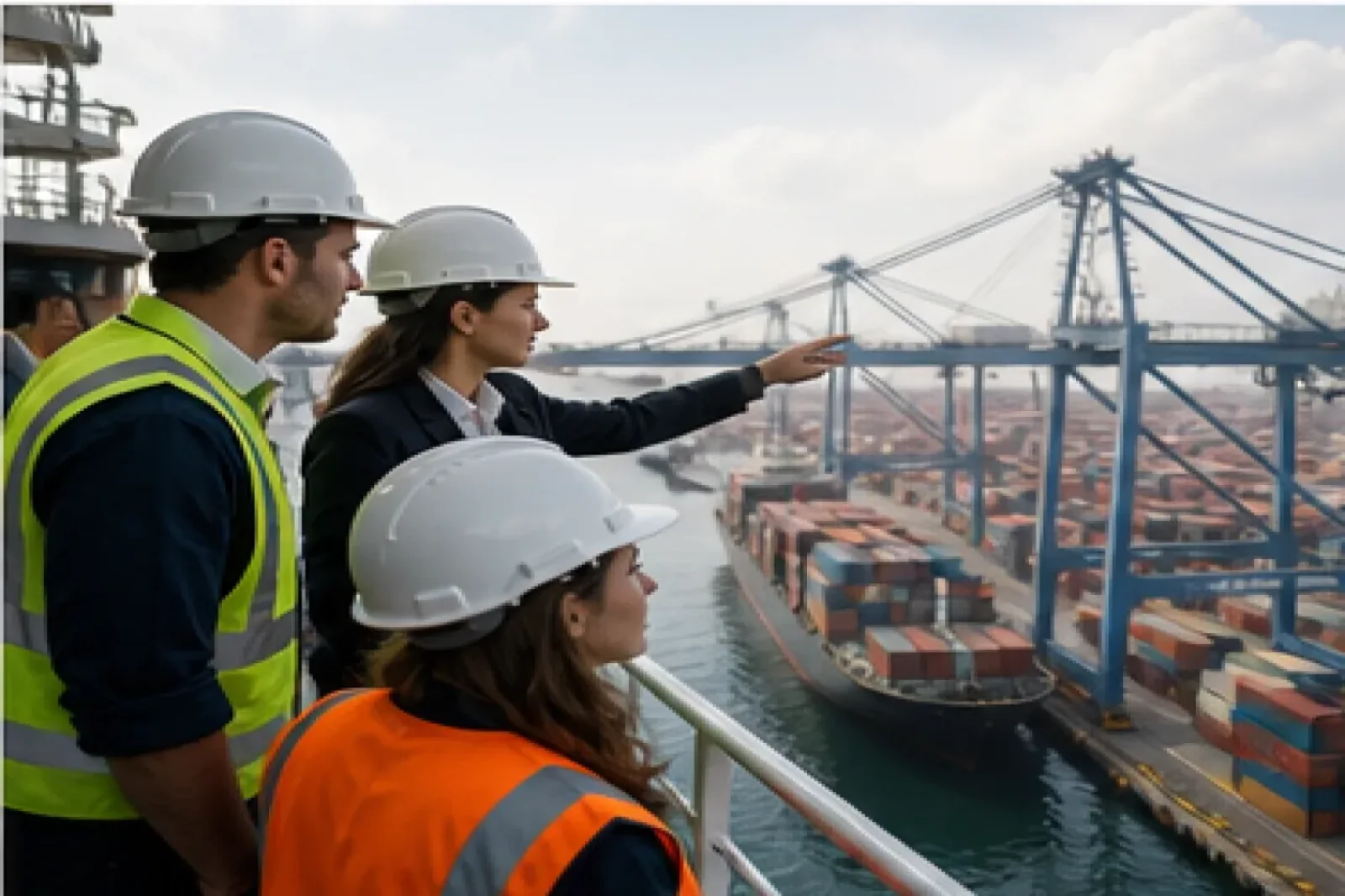
Plan and recruit a resilient maritime workforce across port operations, engineering, commercial, technical, and leadership roles.
Connect talent planning to the operating plan
Maritime workforce planning should reflect vessel schedules, port throughput, fleet and equipment changes, customer commitments, regulation, project pipelines, and retirement risk. Convert these drivers into role, location, timing, credential, and shift requirements. A shared forecast lets operations, HR, and finance see where a vacancy could constrain safety, service, or growth.
Identify roles with concentrated risk
Technical and leadership knowledge is often held by a small number of experienced people. Map roles where certifications, equipment familiarity, customer relationships, or local operating knowledge make replacement difficult. Succession, documentation, cross-training, and proactive external recruiting can then be prioritized before a departure creates an emergency.

Build talent pools by skill community
Maintain relationships with marine engineers, port and terminal professionals, technical superintendents, commercial talent, safety leaders, and operations managers even when no immediate vacancy exists. Partnerships with maritime academies, military-transition programs, professional associations, and specialist recruiters can broaden access. Outreach should describe schedules, travel, location, credential support, and career progression clearly.
Make assessment relevant to the work
Use consistent criteria tied to safety, judgment, technical competence, leadership, and the actual operating environment. Verify credentials early and include the people who understand the work without creating an excessive interview chain. Candidate experience matters in close-knit maritime talent markets, where reputation and communication travel quickly.

Create a workforce feedback loop
Measure pipeline health, time to qualified candidates, acceptance, start rates, early retention, credential progress, and performance. TalentoHC can combine these signals with market mapping to adjust the recruiting plan and help maritime employers move from reactive hiring to a repeatable workforce capability.
maritime workforce planning FAQs
What is maritime workforce planning?
It is the process of translating operating demand, skills, credentials, locations, and risk into a forward-looking talent plan. The plan covers recruiting, development, succession, and flexible capacity.
Which maritime roles can TalentoHC recruit?
TalentoHC can support technical, engineering, operations, commercial, safety, corporate, and leadership roles across the maritime ecosystem. Every search is scoped to the operating context.
How can maritime employers prepare for retirements?
Identify critical knowledge and likely timing, then use succession, cross-training, documentation, and early external pipelines. Waiting for a notice period leaves fewer safe options.
Why are clear schedules important in maritime recruiting?
Schedules, travel, rotation, and location shape candidate decisions and retention. Accurate expectations help professionals assess fit before accepting.
Can maritime recruiting include executive search?
Yes. Confidential market mapping and targeted outreach can support senior operational, commercial, technical, and enterprise leadership searches.