
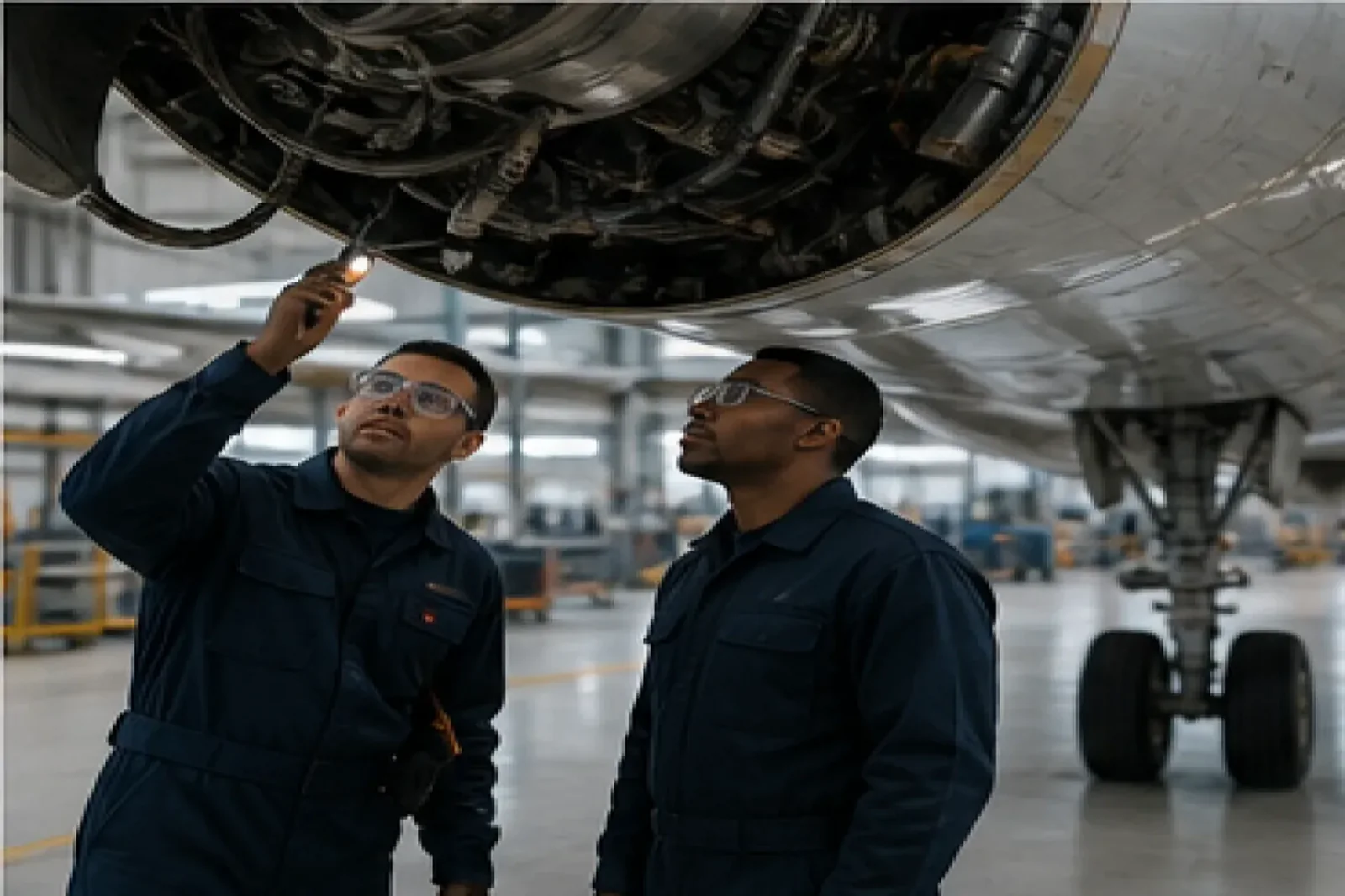
Build a stronger aviation maintenance workforce with practical 2026 staffing strategies for technicians, engineers, MRO leaders, and hard-to-fill roles.
Why the maintenance talent market requires a plan
Aviation maintenance staffing is no longer a last-minute response to an open requisition. Airlines, MRO providers, manufacturers, and aviation services companies are competing for technicians and leaders whose credentials, safety mindset, and hands-on experience must align with a specific operating environment. Boeing’s current outlook anticipates long-term demand for hundreds of thousands of maintenance technicians, while McKinsey has described a near-term shortfall that makes workforce planning more urgent. Employers need a repeatable way to forecast demand, define role requirements, and reach qualified talent before capacity is affected.
Start with demand, credentials, and shift realities
Translate the operating plan into a role-by-role workforce forecast. Separate scheduled growth from attrition, retirement risk, seasonal maintenance, fleet changes, and new station openings. For each role, document required certifications, aircraft or engine experience, tools, shift expectations, travel, clearance requirements, and the training that can be completed after hire. This prevents an unnecessarily narrow profile from eliminating capable candidates and gives recruiters a clearer story to take to market.

Build multiple talent pipelines
A resilient aviation workforce combines experienced hires, adjacent-skill candidates, apprentices, military-transition talent, and partnerships with technical schools. Keep warm pipelines for recurring A&P, avionics, quality, planning, and maintenance leadership needs rather than restarting after every vacancy. A specialized partner can map local and national talent pools, establish realistic compensation benchmarks, and coordinate outreach that explains the work, schedule, career path, and safety culture in credible terms.
Improve selection speed without compromising safety
Create a structured screening scorecard before sourcing begins. Verify credentials early, use consistent technical questions, and reserve interview time for qualified candidates so avoidable scheduling delays do not cost the hire. Fast does not mean careless: a disciplined process reduces duplicate interviews, maintains documentation, and makes it easier for operations, HR, and safety leaders to reach a confident decision.

Measure workforce outcomes
Track time to qualified slate, interview-to-offer rate, offer acceptance, start rate, credential completion, early retention, and performance after placement. Segment the data by role, location, shift, and source. TalentoHC uses this feedback to refine the search, identify bottlenecks, and help aviation employers build a recruiting system that supports operating reliability rather than filling positions one at a time.
Sources and further reading
aviation maintenance staffing FAQs
What roles can an aviation maintenance staffing partner recruit?
TalentoHC can support searches for A&P technicians, avionics professionals, planners, quality specialists, engineers, supervisors, and maintenance leaders. The exact search is calibrated to the employer’s fleet, certifications, location, schedule, and operating model.
How early should employers plan for maintenance hiring?
Planning should begin as soon as fleet, station, contract, or workload forecasts become visible. Earlier pipeline development gives employers more time to verify credentials and communicate with passive candidates before demand becomes urgent.
Can aviation staffing include contract and direct-hire talent?
Yes. The right model depends on workload duration, internal headcount, speed, and whether the role represents an ongoing capability or a defined project.
How can employers improve aviation technician retention?
Clear schedules, competitive total rewards, reliable onboarding, supervisor quality, and visible career paths all matter. TalentoHC also recommends setting realistic expectations during recruiting so the employment experience matches the offer.
Why use a specialized aviation recruiter?
A specialized recruiter understands credential language, transferable experience, and the smaller communities around technical aviation roles. That context helps TalentoHC present more relevant candidates and advise on market conditions.